
Gut Dysbiosis: Symptoms, Causes and How to Restore Gut Balance Naturally
Why Gut Balance Matters
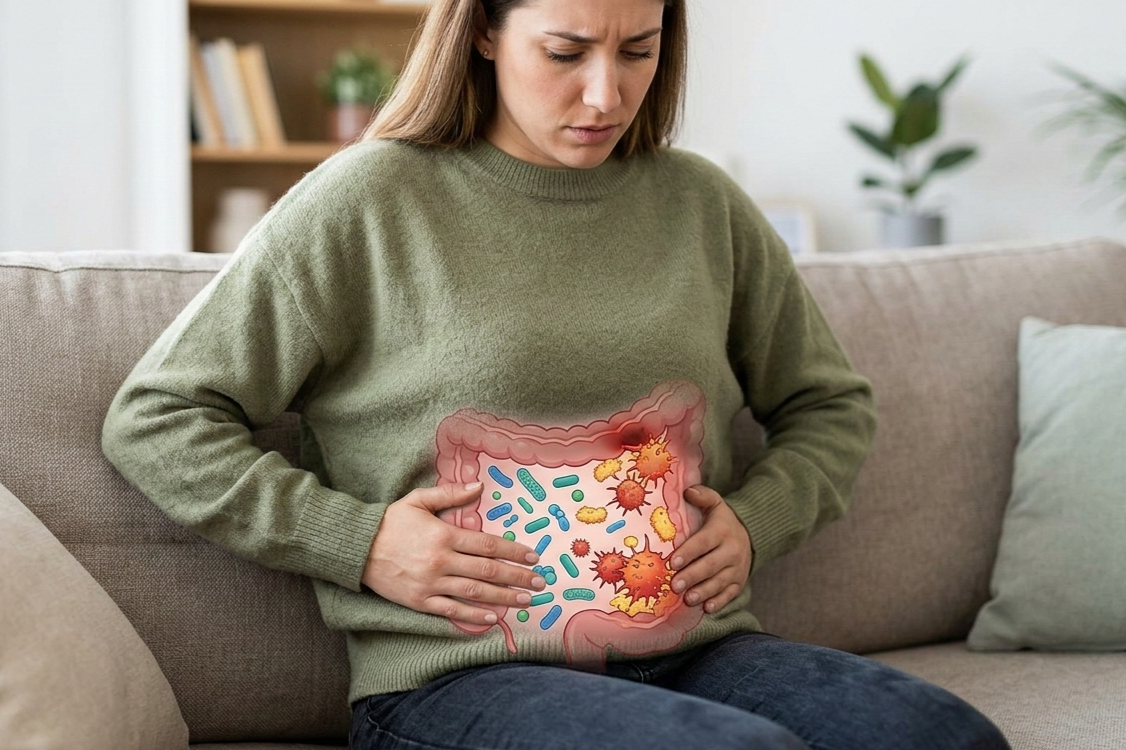
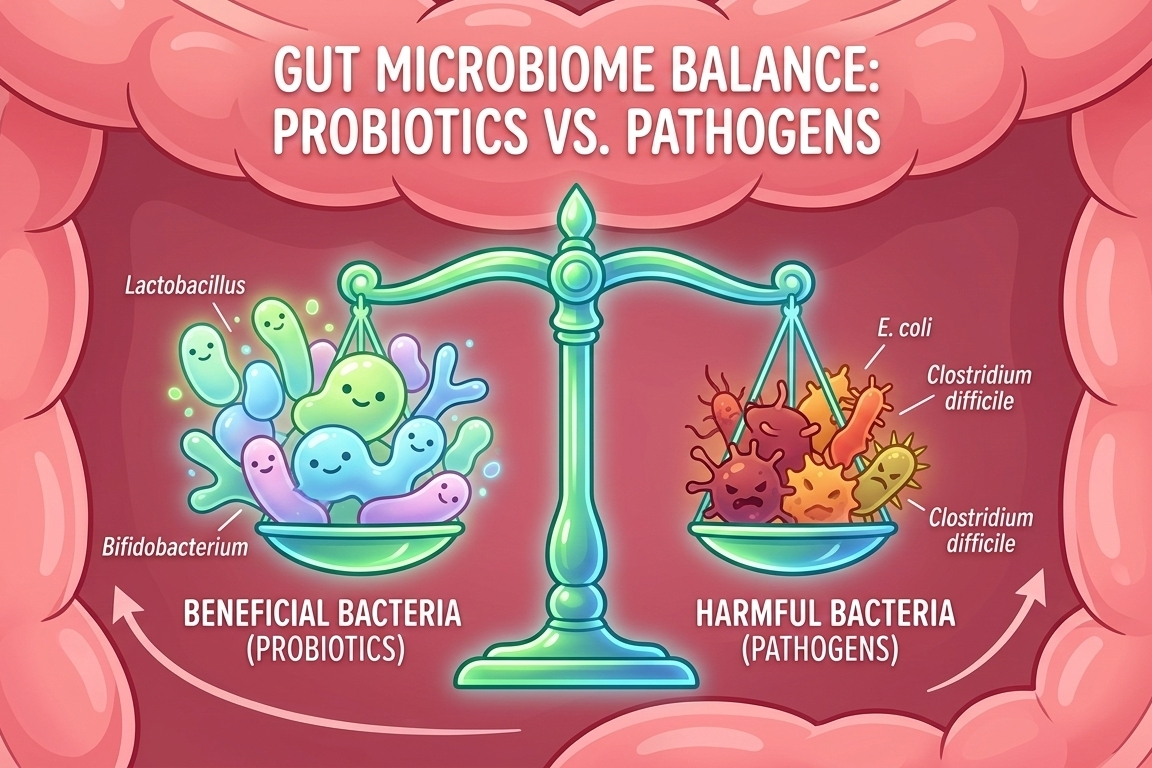
Gut dysbiosis occurs when the balance of beneficial and harmful bacteria in the gut microbiome becomes disrupted. This imbalance can affect digestion, immunity, metabolism and even mental well-being.
The human gut is home to trillions of microorganisms that play a vital role in digestion, immunity, metabolism and even mental wellbeing. When these microbes exist in a healthy balance, they support the body in maintaining optimal health. However, when this balance becomes disrupted, a condition known as gut dysbiosis can develop.
Dysbiosis occurs when beneficial bacteria decrease while opportunistic or harmful microbes begin to dominate the gut environment. This imbalance can contribute to a wide range of symptoms, including digestive discomfort, fatigue, inflammation, food sensitivities and mood changes.
Modern lifestyles – including processed diets, chronic stress, antibiotic exposure and poor sleep – can all contribute to this disruption of the microbiome.
Understanding the signs of dysbiosis is often the first step toward restoring gut health and improving overall well-being.
What Is Gut Dysbiosis?
Gut dysbiosis refers to an imbalance in the intestinal microbiome, where the diversity and composition of gut bacteria shift away from a healthy state.
Rather than having a broad ecosystem of beneficial microbes supporting digestion and immune regulation, the gut becomes dominated by organisms that may promote inflammation or interfere with normal metabolic processes.
This imbalance can affect several systems in the body, including:
• digestive function
• immune regulation
• hormone balance
• metabolic health
• neurological signalling via the gut-brain axis
In functional medicine, dysbiosis is often viewed as a root contributor to chronic symptoms, rather than a condition existing in isolation.
Common Symptoms of Gut Dysbiosis
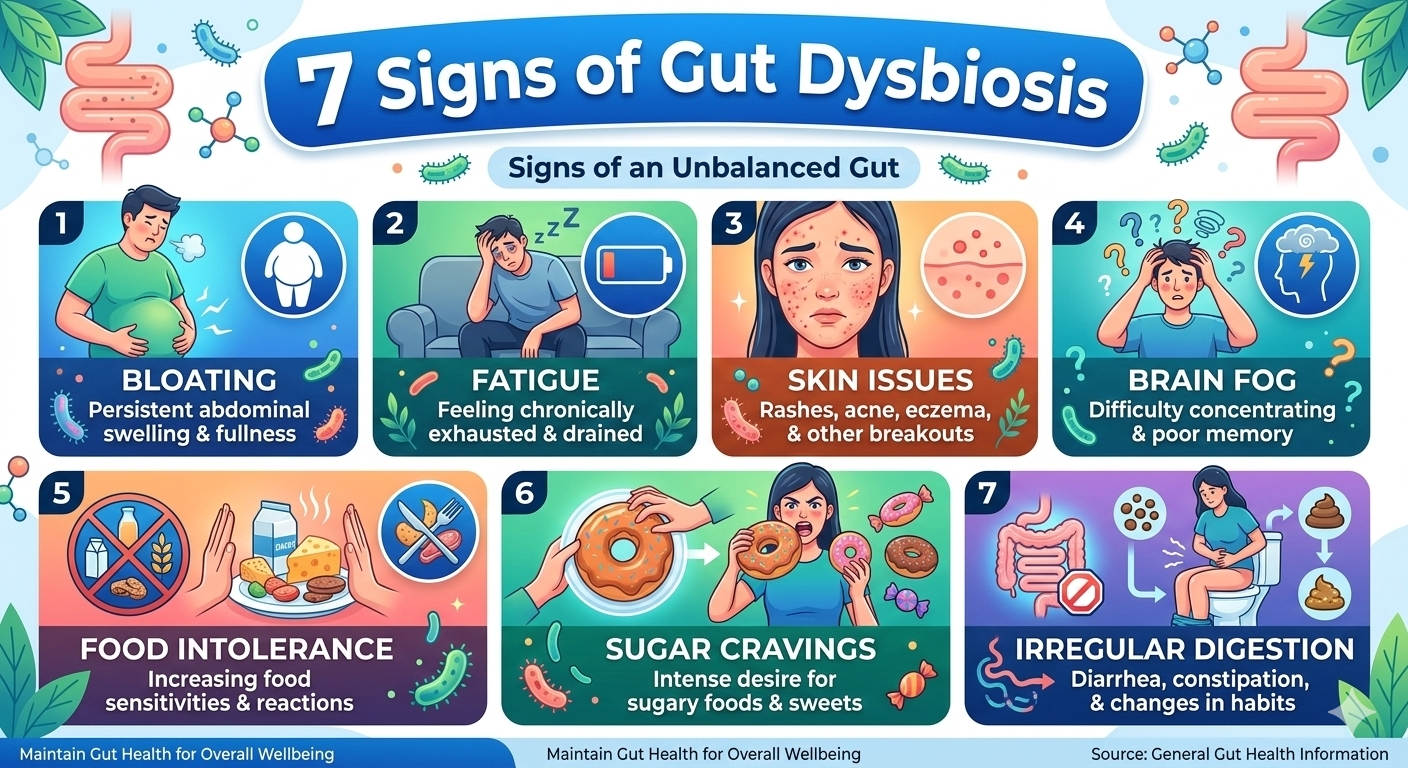
The symptoms of dysbiosis can vary widely from person to person, but certain patterns appear frequently.
Common signs include:
• persistent bloating or abdominal discomfort
• gas after meals
• food intolerances or sensitivities
• irregular bowel movements
• fatigue and brain fog
• sugar cravings
• skin problems such as acne or eczema
• frequent infections or lowered immunity
• anxiety or low mood
What Is the Number One Cause of Dysbiosis?
There is rarely a single cause, but the most common contributors include:
• repeated antibiotic use
• diets high in ultra-processed foods
• chronic stress
• poor sleep
• excessive sugar intake
• alcohol
• environmental toxins
• chronic inflammation
These factors gradually change the environment of the gut, allowing certain microbes to overgrow while beneficial bacteria decline.
How Do You Know If You Have Dysbiosis?
Dysbiosis is usually suspected based on symptoms and clinical history.
At Lantern Clinic, we may use a comprehensive stool microbiome test such as the GI Effects® stool analysis from Genova Diagnostics to evaluate microbial balance, digestive function and inflammatory markers.
If you experience persistent digestive symptoms, unexplained fatigue, or increasing food sensitivities, your gut microbiome may be out of balance.
Simply taking probiotics or fermented food is not likely to be sufficient to recover.
How Do You Fix Gut Dysbiosis?
Restoring gut balance focuses on supporting beneficial bacteria while reducing factors that feed harmful microbes.
The most effective approach usually includes:
• removing ultra-processed foods and excess sugar
• increasing fibre and plant diversity
• improving sleep and stress regulation
• supporting digestion and stomach acid
• using targeted probiotics or herbal antimicrobials when appropriate and guided by test results and clinician advice.
• restoring gut lining integrity
This process often takes several weeks to months, depending on the individual.
How Long Does It Take to Improve Dysbiosis?
Some people notice improvements within 2–4 weeks of starting treatment for dysbiosis.
However, deeper restoration of the microbiome typically takes 8–12 weeks or longer, as gut bacteria need time to rebalance and repopulate.
The goal is long-term stability, not quick elimination.
What Are the Signs Your Gut Is Healing?
Positive signs include:
• reduced bloating
• more regular bowel movements
• improved energy
• fewer food reactions
• clearer skin
• better mood stability
These changes usually appear gradually as the gut environment improves.
Discover Your Gut Health Pattern
Many people experience symptoms of gut imbalance without recognising the underlying cause.
To help you understand your digestive health better, we have created a Gut Health Quiz that highlights patterns commonly associated with dysbiosis, food sensitivities and digestive imbalance.
Taking the quiz takes just a few minutes and can provide helpful insight into whether your gut may benefit from further investigation or support.
Why Gut Health Matters for the Whole Body
The gut microbiome influences:
• immune function
• inflammation levels
• metabolic health
• hormone balance
• brain chemistry
• energy production
When the microbiome improves, many people experience wider health benefits beyond digestion alone.
Final Thoughts
Gut dysbiosis is increasingly recognised as an important contributor to digestive discomfort, inflammation and metabolic imbalance.
While symptoms can be frustrating, the microbiome also has a remarkable capacity to recover when given the right support.
By improving diet, reducing inflammatory triggers and supporting digestive health, it is often possible to restore balance within the gut ecosystem.
If you are experiencing persistent digestive symptoms, exploring your gut health may be one of the most valuable steps you can take toward improving your overall well-being.
Gut dysbiosis is increasingly recognised as a key contributor to digestive discomfort, inflammation and metabolic imbalance.
