
Doctor-Led Female Incontinence and Pelvic Floor Treatment in the Isle of Wight
Non-invasive, holistic incontinence and pelvic floor treatment
Let’s Start the Conversation
Have you been suffering in silence?
Planning your day around toilet stops, avoiding certain exercises, or feeling embarrassed by bladder leaks?
Many women quietly accept pads, lifestyle restrictions and a reduced quality of life, believing nothing can change. It doesn’t have to be that way.
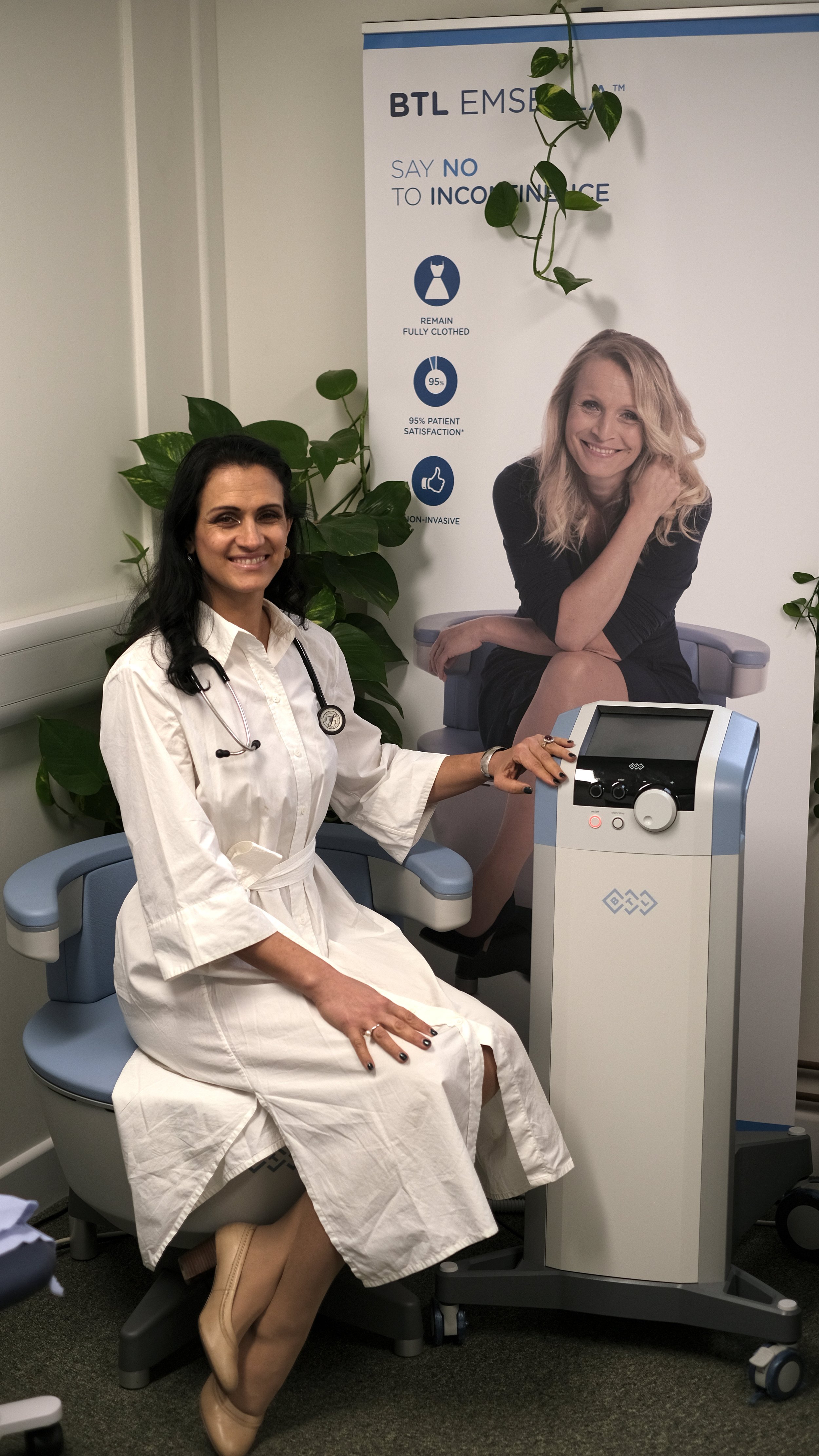
Book your complimentary call and explore your diagnosis and non-surgical treatment options with Dr Margarita, a female functional medicine doctor who takes a whole-body, root-cause approach.
Female Urinary Incontinence: Causes, Types and Symptoms
-
Stress urinary incontinence is the most common type of urinary incontinence in women. It occurs when physical movement or pressure, such as coughing, sneezing, laughing, lifting, running or jumping, places strain on weakened pelvic floor muscles.
This leads to involuntary urine leakage.
-
Urge urinary incontinence, often associated with overactive bladder (OAB), is characterised by a sudden and intense need to urinate followed by involuntary leakage. Many women describe feeling unable to reach the toilet in time.
-
Mixed urinary incontinence combines features of both stress and urge incontinence. Women may experience leakage during exercise or coughing, as well as episodes of sudden urgency.
-
Pregnancy and vaginal delivery place significant strain on the pelvic floor muscles and connective tissues. Postnatal pelvic floor weakness can lead to stress incontinence, reduced core stability, pelvic organ prolapse, and diminished confidence during exercise.Item description
-
Declining oestrogen levels during perimenopause and menopause can affect the bladder lining, urethral tissue and pelvic floor muscles. These hormonal changes increase the risk of urinary urgency, frequency, recurrent infections and stress urinary incontinence
Bladder leakage during menopause is common, but it is not inevitable. A doctor-led assessment that considers hormonal health, pelvic floor strength and whole-body factors allows for a targeted, non-surgical treatment plan.
Regain Control, Comfort, and Confidence
EMSELLA® Pelvic Floor Strengthening
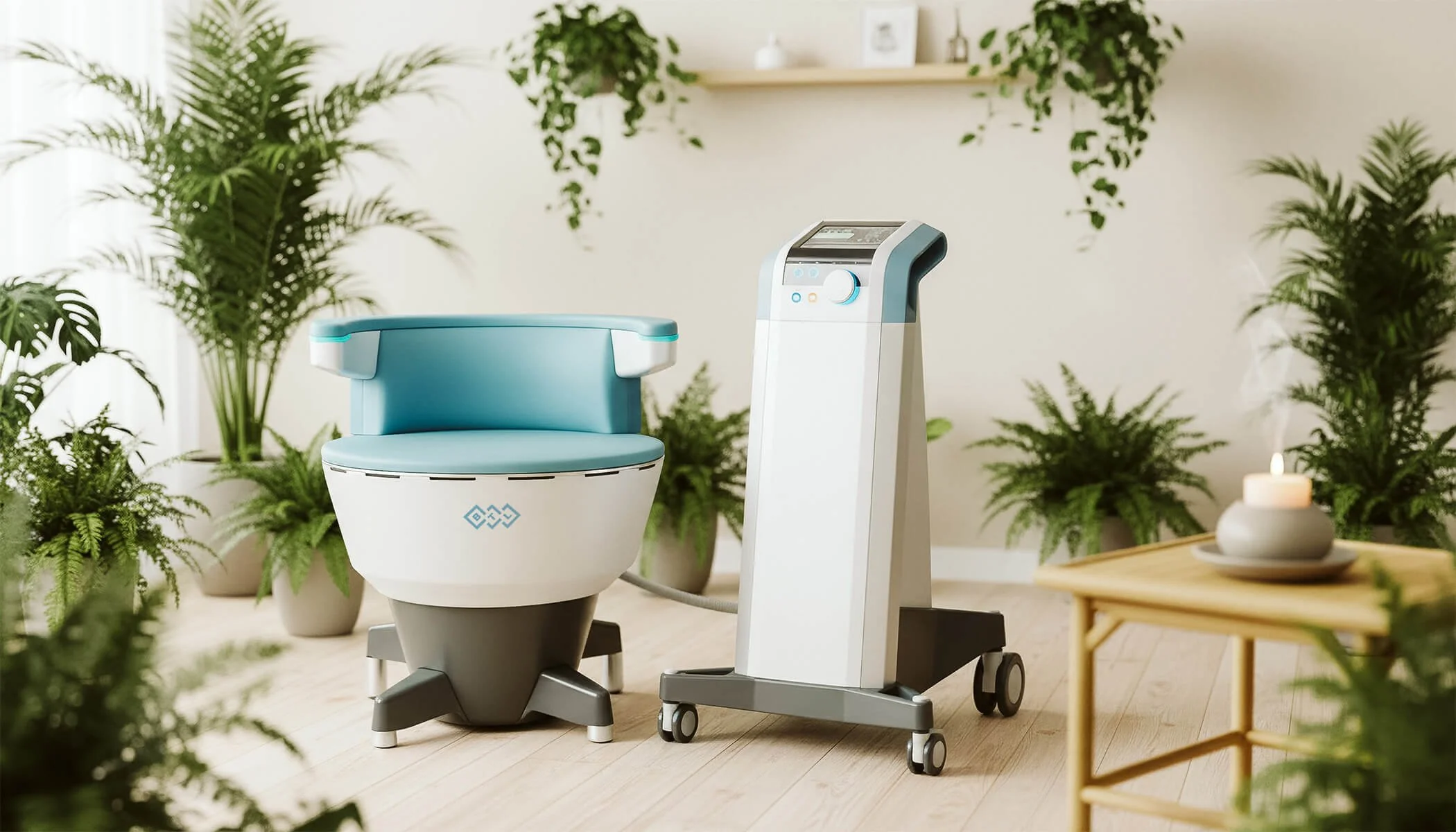
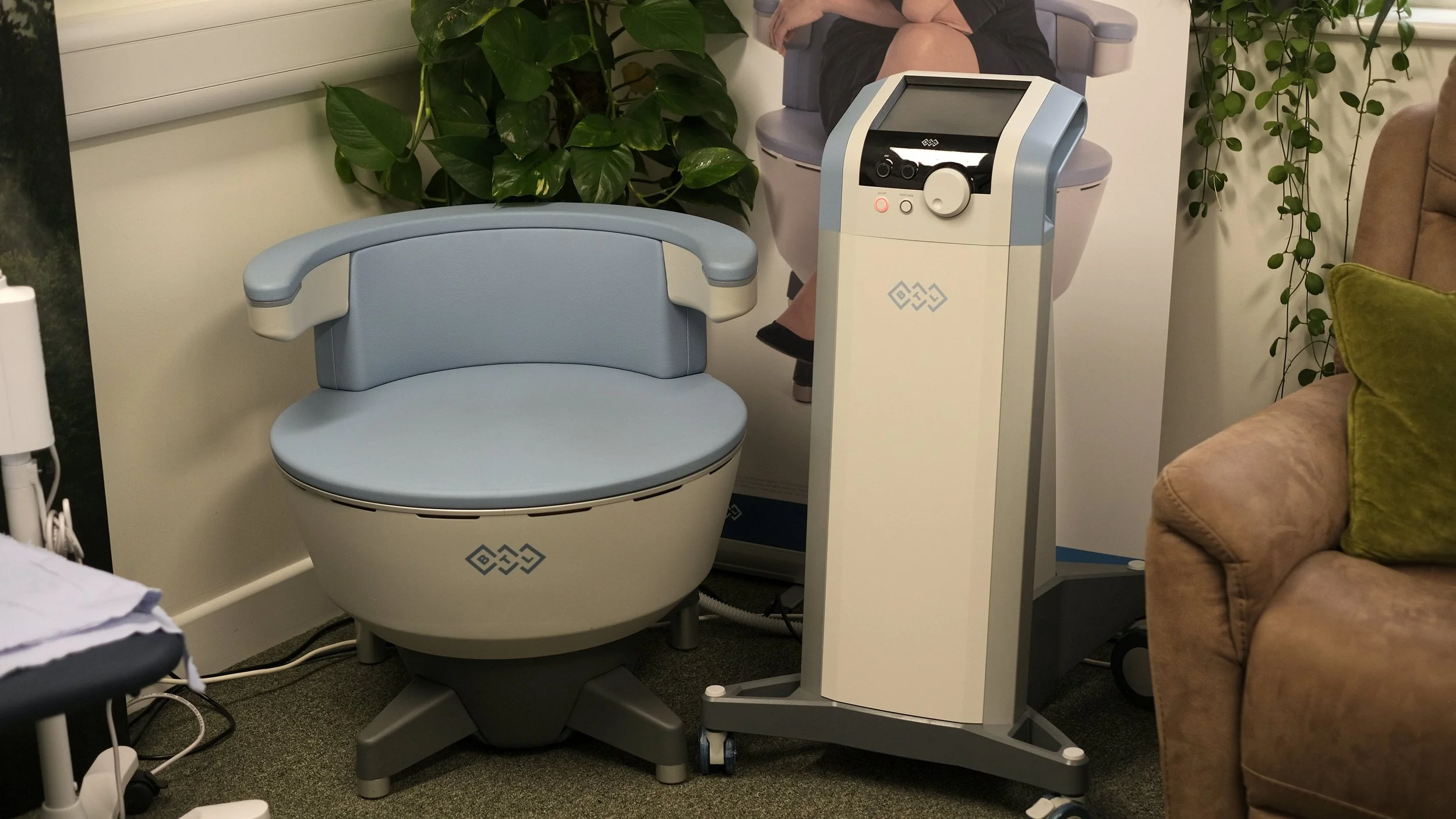
EMSELLA® uses advanced high-intensity focused electromagnetic technology to stimulate and strengthen the pelvic floor muscles. By restoring muscle tone and neuromuscular control, it helps many women regain bladder control, comfort and confidence.
Over time, childbirth, hormonal changes, menopause and ageing can weaken the pelvic floor, contributing to stress incontinence, urgency, leakage and reduced core stability.
EMSELLA® provides a non-surgical, pain-free treatment designed to rebuild pelvic floor strength and support long-term improvement in everyday quality of life.



Comfort Level
Comfortable
Number of Sessions
6 Sessions to Start

Session Duration
28 Minutes
Downtime
None
Regain Your Quality of Life
Ready to Book Your Emsella Treatment?
Reclaim everyday confidence with a quick, comfortable treatment that strengthens your pelvic floor.
-
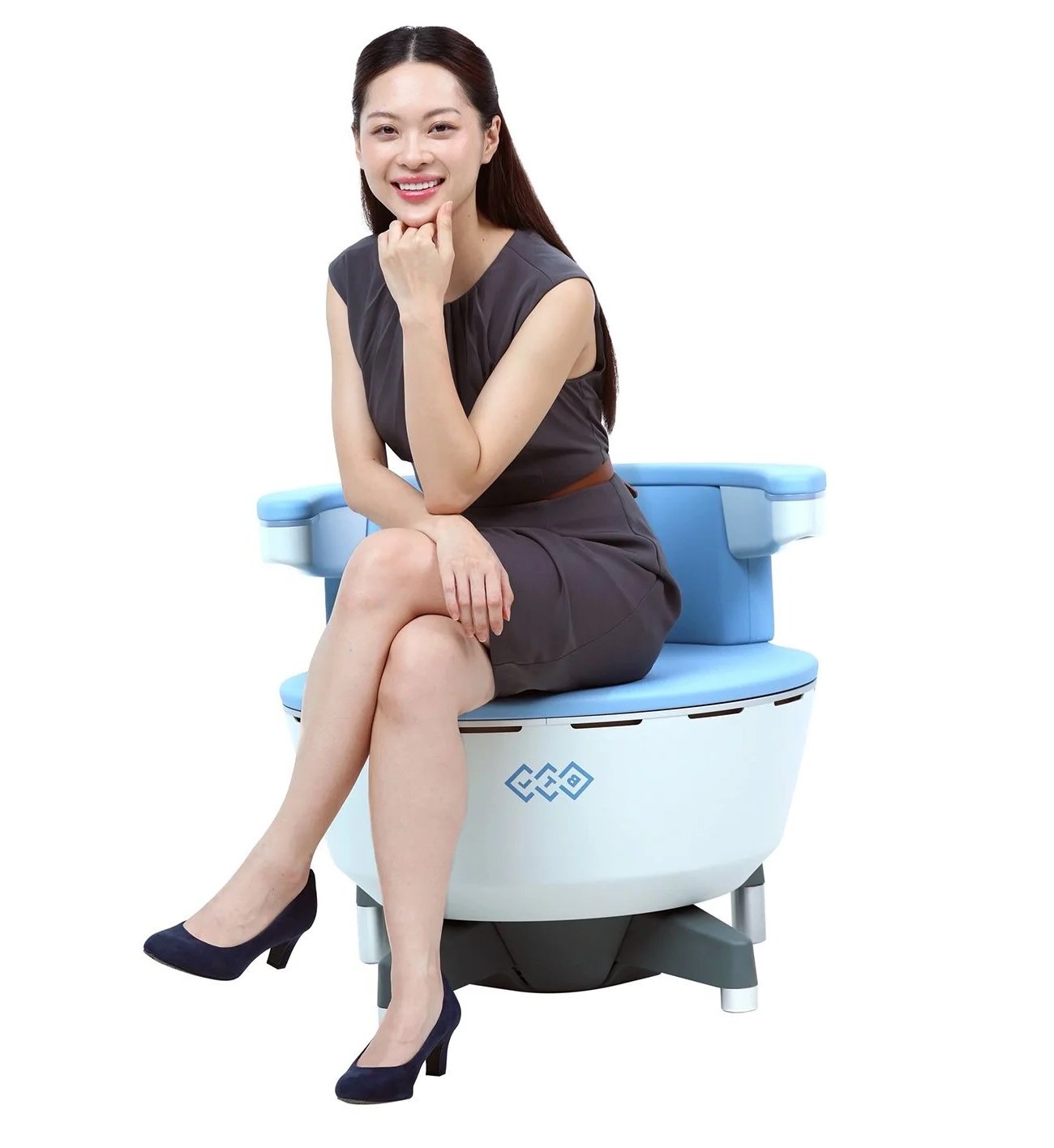
The Emsella Chair, also known as the BTL Emsella, is an advanced medical device that offers a safe, non-invasive treatment for urinary incontinence and pelvic floor weakness.
Using high-intensity focused electromagnetic (HIFEM) technology, each session delivers thousands of deep pelvic floor contractions — something impossible to achieve with voluntary exercise alone.
-
The Emsella treatment works by using focused electromagnetic waves to stimulate the pelvic floor muscles.
During a 28-minute session, you’ll sit on the Emsella chair while it delivers thousands of supramaximal contractions via electromagnetic energy, far exceeding what can be achieved through voluntary Kegel exercises.
These contractions strengthen the pelvic floor, providing better support for the bladder and other pelvic organs, and significantly improving bladder control.
-
The primary benefit of Emsella is the significant improvement in pelvic floor strength. By strengthening the pelvic floor muscles, the Emsella pelvic floor treatment helps improve bladder control and reduces urinary incontinence.
This non-invasive treatment offers a powerful way to reclaim pelvic floor strength.
Improved bladder control: Reduced urinary incontinence.
Enhanced sexual function: Increased sensitivity and satisfaction.
Non-invasive: Fully clothed, no surgery, needles, or downtime.
Painless treatment: Comfortable and relaxing.
Quick treatment sessions: Convenient and efficient.
-
The consultation process is a crucial first step in determining if the Emsella chair is the right incontinence treatmentoption for you.
During the consultation, a healthcare professional will discuss your medical history, current symptoms of urinary incontinence and stress incontinence, and any medications you are taking.
This consultation is designed to evaluate whether you can benefit from Emsella to strengthen the pelvic floor muscles and improve bladder control.
-
Preparing for Emsella treatment is simple.
The device uses high-intensityfocused electromagnetic (HIFEM) technology to stimulate the pelvic floor muscles, causing thousands of supramaximal contractions. These contractions are much stronger than what you can achieve through Kegel exercises.
Since the procedure is non-invasive, there is no need for any special preparation such as fasting or medication adjustments.
-
Typically, a complete Emsella treatment plan involves 6 sessions, scheduled two to three times per week. Each Emsella chair treatment lasts approximately 28 minutes.
The frequency and duration are designed to maximise the benefits of Emsella, allowing for significant pelvic floor strength improvement.
Following the initial set of treatment sessions, some individuals may opt for maintenance sessions to sustain the strengthened pelvic floor muscles and prevent the recurrence of urinary incontinence or stress incontinence.
-
Urinary incontinence is the involuntary leakage of urine, a common condition that affects millions of people worldwide. It can range from occasional, minor leaks to complete loss of bladder control.
While it can affect people of all ages, it is more prevalent in older adults, particularly women. Urinary incontinence can be influenced by a variety of factors. Some of these relate to physical changes or conditions, such as:
Weakened pelvic floor muscles, which support the bladder and urethra.
Pelvic organ prolapse, where organs descend from their normal position.
Other factors include pregnancy, childbirth, aging, obesity, and certain medical conditions.
-
The Emsella chair is particularly effective in addressing stress incontinence, a condition characterised by involuntary urine leakage during activities such as sneezing, coughing, or exercising.
By strengthening the pelvic floor muscles, the Emsella chair helps to restore bladder control and reduce the frequency and severity of leakage.
-
Yes.
Emsella pelvic floor treatment is clinically proven to help men with issues such as urinary incontinence and erectile dysfunction. The pelvic floor is a group of muscles that support the bladder, rectum, and prostate; when weakened, it can cause bladder leaks, reduced sexual function, and loss of confidence.
Emsella uses electromagnetic energy to trigger thousands of contractions in each session. A typical course of 6 treatments strengthens the pelvic floor, restores muscle support, and improves control, intimacy, and overall wellbeing.
Reported benefits for men include:
Greater confidence and reduced anxiety
Improved bladder control
Enhanced erectile function and rigidity
Increased time before ejaculation
Renewed quality of life and intimacy